
Dmanisi
Home to the “First Europeans,” Dmanisi is one of the world’s most important archaeological sites, reshaping our understanding of human evolution.




“Development of rural tourism in the Dmanisi region through the implementation of an innovative model for developing local tourism products” – a project carried out by the Society of Friends of the Korycin Land and the Georgian Ecological Agricultural Association “SEMA”. Project co-financed within the framework of the Polish development cooperation of the Ministry of Foreign Affairs of the Republic of Poland.
პროექტი „დმანისის რეგიონში სოფლის ტურიზმის განვითარება ადგილობრივი ტურისტული პროდუქტების შექმნის ინოვაციური მოდელის დანერგვის გზით“ ხორციელდება კორიცინის მიწის მეგობართა საზოგადოებისა და საქართველოს ეკოლოგიურ მიწათმოქმედთა ასოციაცია სემა (SEMA)-ს მიერ. პროექტს აფინანსებს პოლონეთის საგარეო საქმეთა სამინისტრო პოლონეთის განვითარების თანამშრომლობის ფარგლებში.
Informacje o finansowaniu ze środków Polskiej pomocy
(kliknij, by się zapoznać)
Information on financing from Polish aid funds
(click to download)
Dmanisi Region
The Dmanisi region is located in the southwest of Kvemo Kartli, Georgia. The territory of today’s Dmanisi Municipality largely follows its ancient historical and geographical boundaries, covering the “Dmaniskhevi” (Dmanisi valley) area — the upper valley of the Mashavera River — as well as the Zurtaketi basin (the Shavtskala/Karaboulakhi River) and the Ktsia-Khrami upper valley.
Dmanisi shares its borders with Tsalka and Tetritskaro to the north, Bolnisi to the east, Ninotsminda to the west, and the Republic of Armenia to the south. The municipality stretches over 1,198.8 km² and brings together the administrative center, the town of Dmanisi, along with 59 villages. Around 20,000 people live here today.
Dmanisi’s diverse natural landscapes combine dense forested mountains and valleys, lava plateaus of mountain steppe, river canyons, and picturesque subalpine and alpine meadows, forming a microregion with exceptionally rich flora and fauna.

Historical Past
of Dmanisi
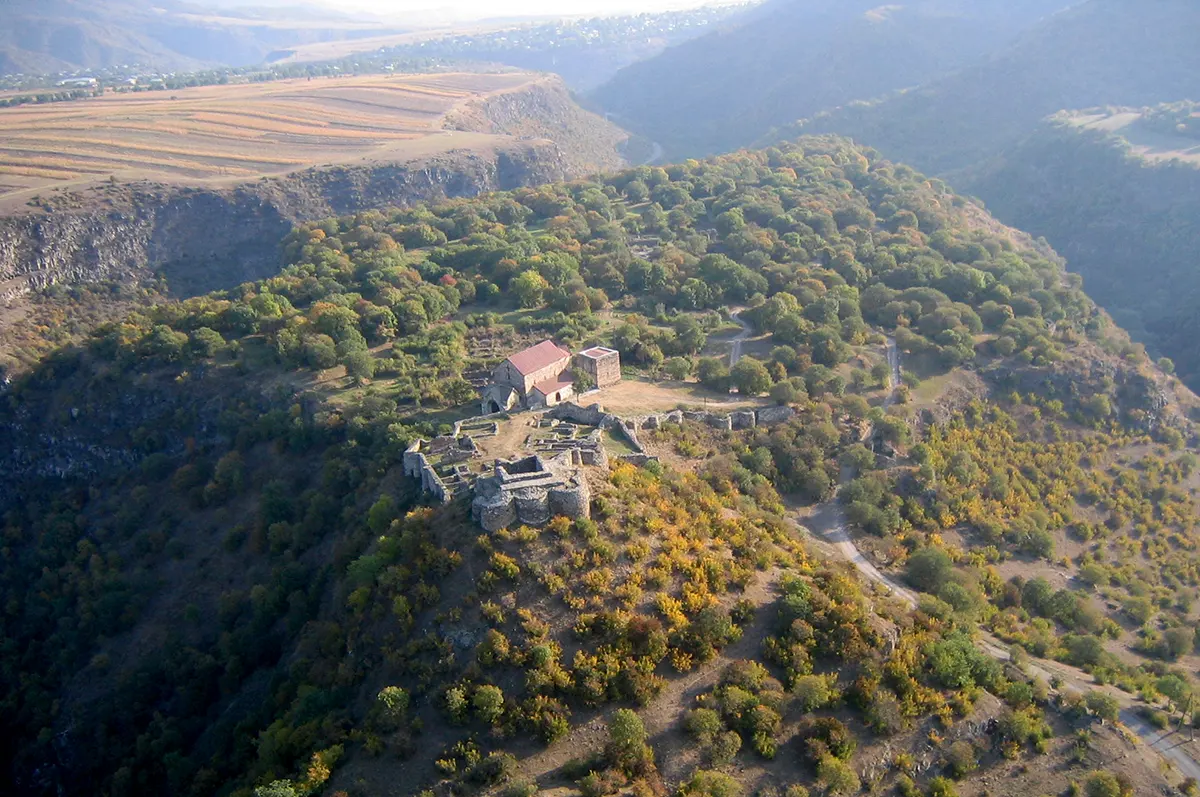
The Dmanisi region is a living chronicle reflecting the rich historical past of humankind. Once one of Georgia’s most prominent areas, it stands at the crossroads of civilizations, where the echoes of history survive through a distinctive local material and spiritual cultural heritage.The traces of ancient settlements, fortresses, and caravan routes all point to Dmanisi’s remarkable geographical position and strategic importance.
The Medieval City of Dmanisi
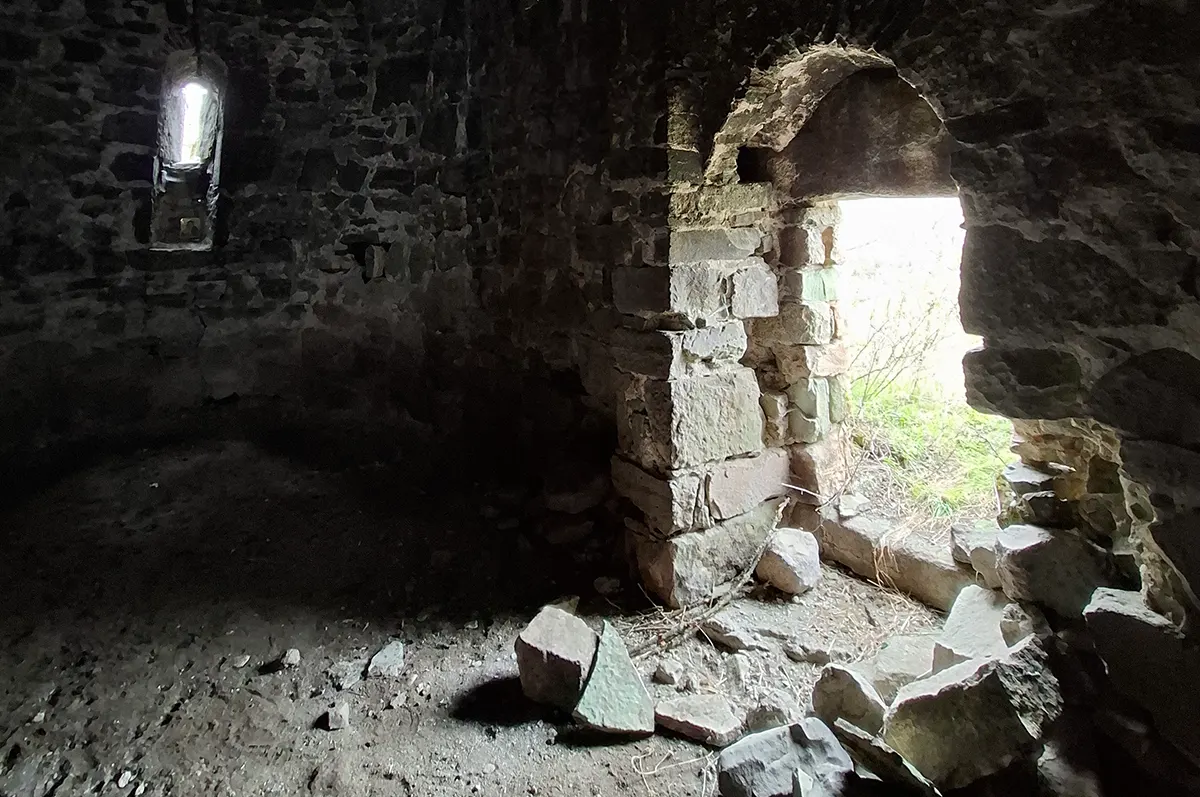
The medieval site of Dmanisi is a multi-layered archaeological monument that preserves traces of many eras. On the site of a Stone Age settlement, a Late Bronze-Early Iron Age village, and a Late Antique habitation, a fortress-city was established in the 9th century, from which Dmanisi became the territorial-administrative center of the upper Mashavera Valley.
“The First Europeans” – The Dmanisi Hominins
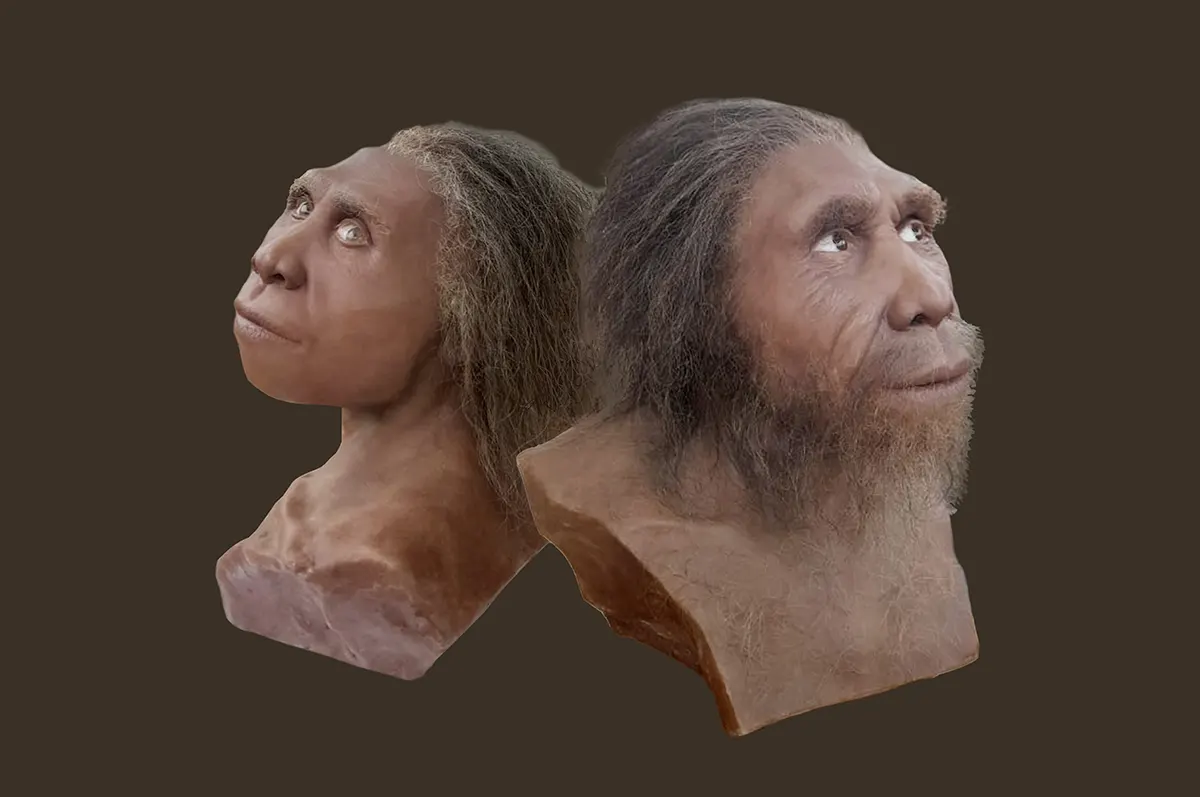
In the 1980s, beneath the medieval archaeological layers of the medieval city of Dmanisi, fossils of Early Stone Age animals and stone tools were uncovered. In 1991, the first human remain — a lower jaw — was found. The discoveries at Dmanisi make up one of the richest and most complete paleoanthropological collections in the world.