
Tourist catalog – Dmanisi attractions
Dmanisi Archeological Museum
Dmanisi Archaeological Museum is the first open-air field museum in Georgia, located directly on the Dmanisi archaeological site in the village of Patara Dmanisi. The museum’s contemporary architecture, designed to protect the excavation area, shelters world-renowned archaeological layers while creating comfortable conditions for scientific research and public visits.
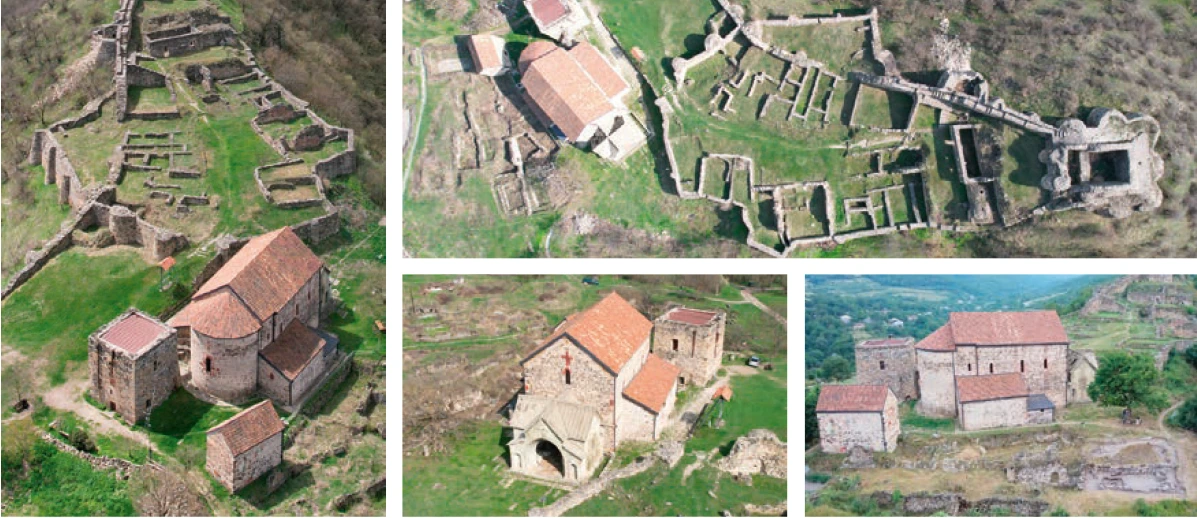
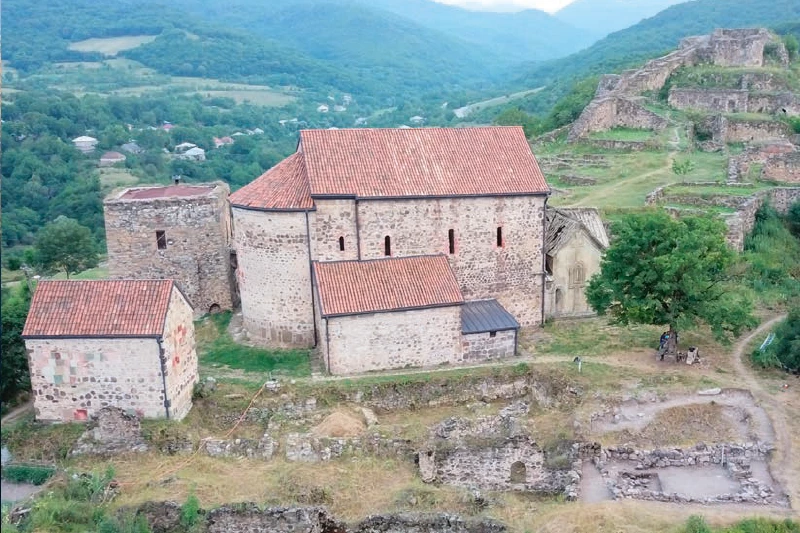
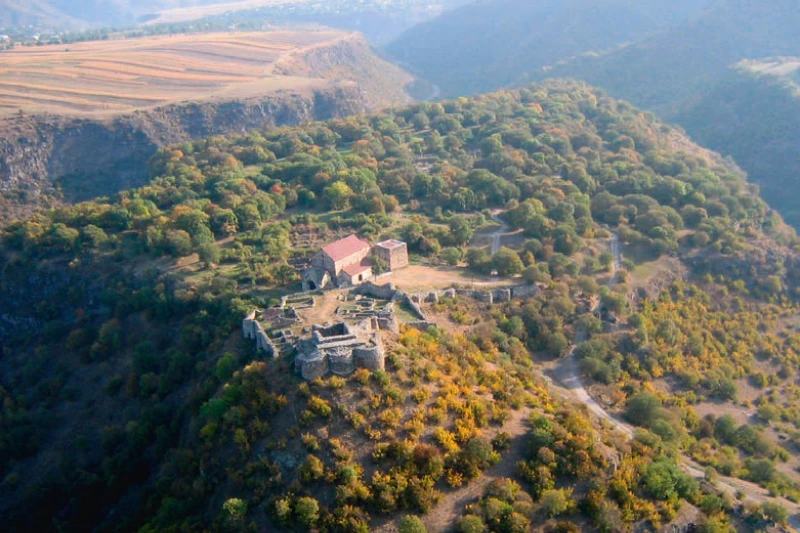
Dmanisi Archaeological Site represents one of the earliest hominin discoveries and where nature settled man’s life in the Caucasus medieval town of Dmanisi (80–18th centuries CE). The medieval town of Dmanisi consisted of several parts. The main one, the “Inner City” (13 hectares), was protected by the deep natural gorges of the Mashavera and Pinezauri rivers, as well as by defensive walls. The surrounding areas, covering approximately 30–40 hectares, consisted of old suburban neighborhoods along the canyon valleys. These included rock-cut cave complexes and a cemetery spanning about 25–30 hectares.
Visitor Information
Address: Dmanisi Municipality, village of Patara Dmanisi,
Postal Code: 1700
Opening Hours: 10:00–17:30, daily
(except Mondays and official public holidays; please note that
the Museum-Reserve is seasonally closed from December to March)
Contact:
Dmanisi: (+995) 555 400 850
Administration of the Dmanisi Archaeological Museum-Reserve
Additional Contact:
Tbilisi: Georgian National Museum, Central Office
3 A. Purtzeladze Street, Postal Code: 0105
Tel: +995 (32) 299 80 22 (Administration),
+995 (32) 299 71 76 (Public Relations Department)
Email: info@museum.ge | Website: www.museum.ge
Fortifications and defensive structures
Cyclopean fortress
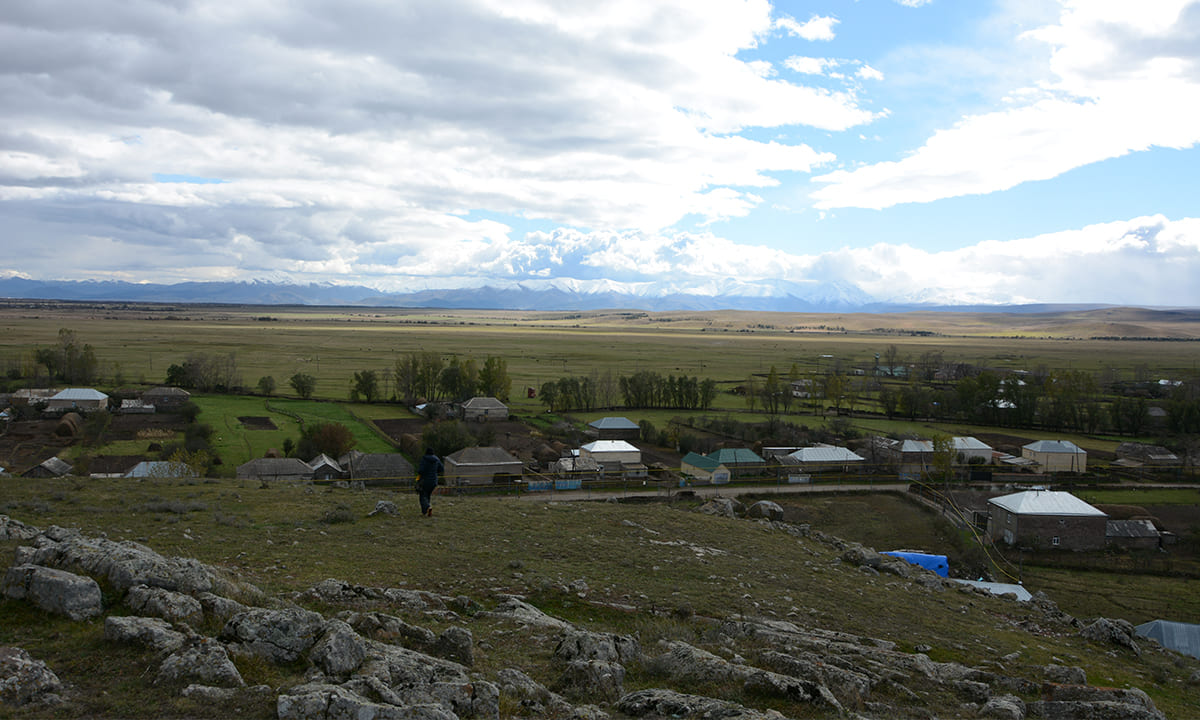
Late Bronze Age (XIII-VIII centuries BC). Village Irganchai (formerly Khutsi village), northwest of the village, on the top of the mountain. Circular in shape, built of large basalt boulders.
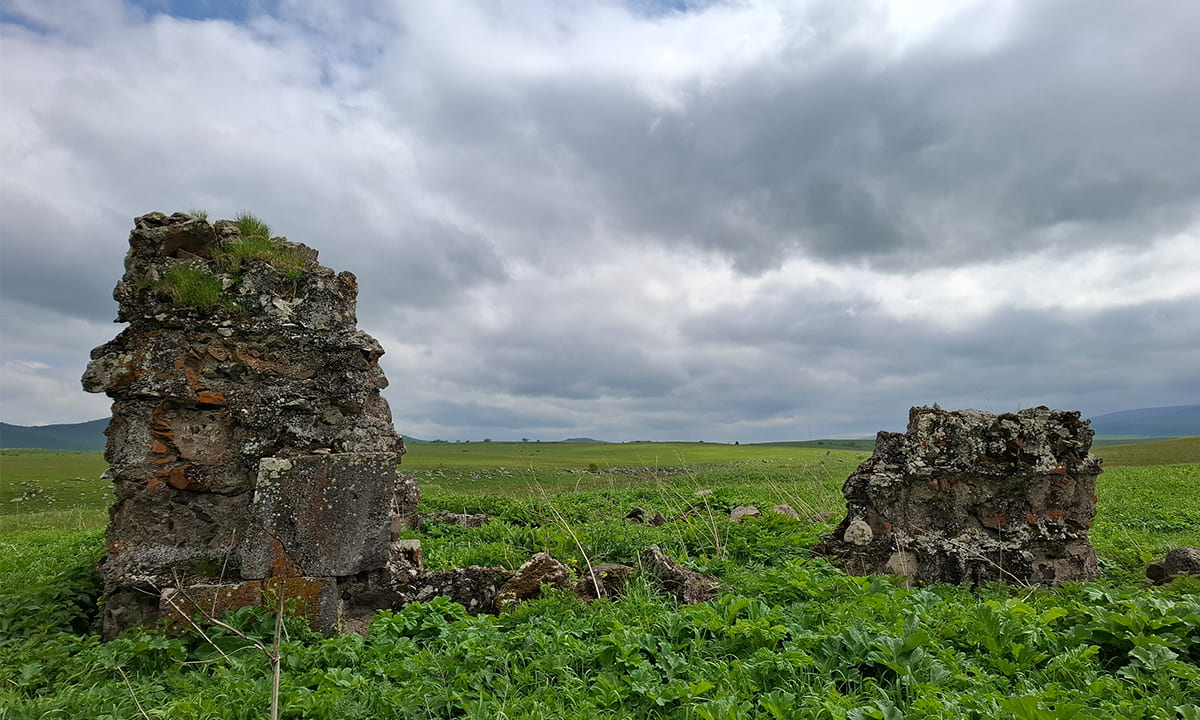
“Half-church”
Medieval settlement of Sakaris. A medieval settlement with the remains of a single-nave church and a road junction with a fortress. Located southwest of the village of Mtisdziri, at the confluence of the Kirmizkilisa and Mamutlis Khevi rivers, on a high volcanic promontory. The church marked on the map of the Georgian geographer Vakhushi Bagrationi (18th century) should be the village of Sakarisi, which was located on the road to Javakheti.
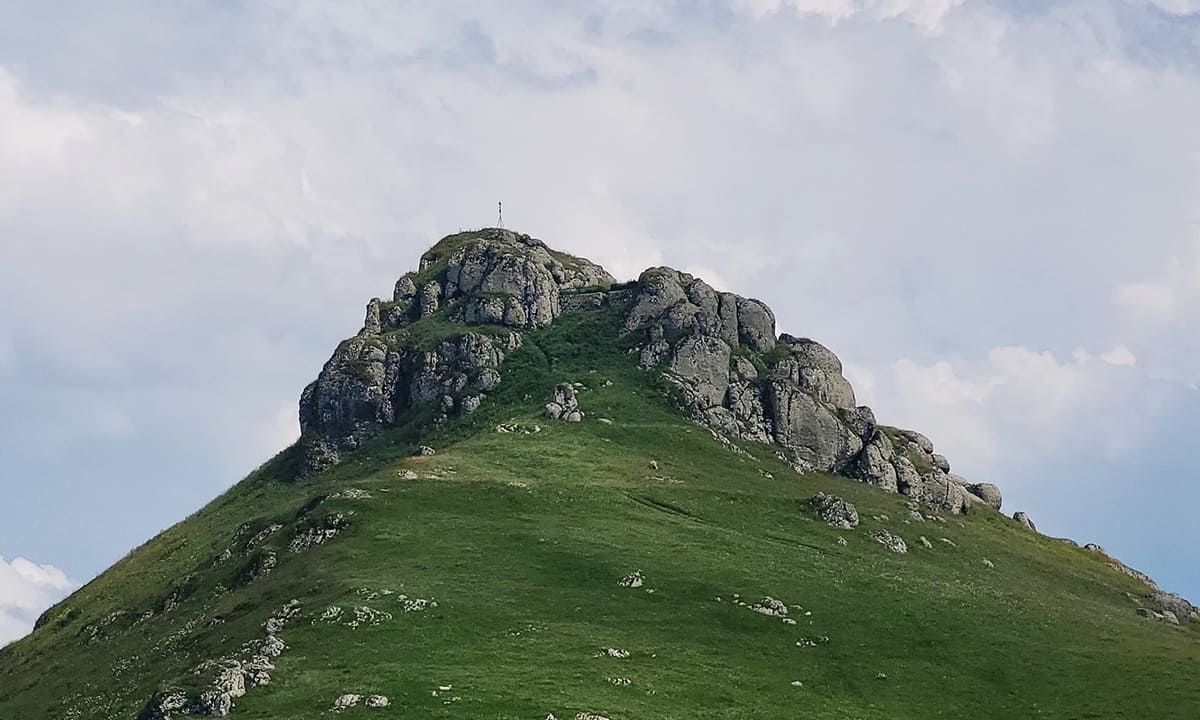
Loki Fortress
A medieval stronghold located on the Loki
range. It now lies directly on the Georgia-Armenia border.
Churches and chappels
EARLIEST CHURCHES (6th-10th CENTURIES)
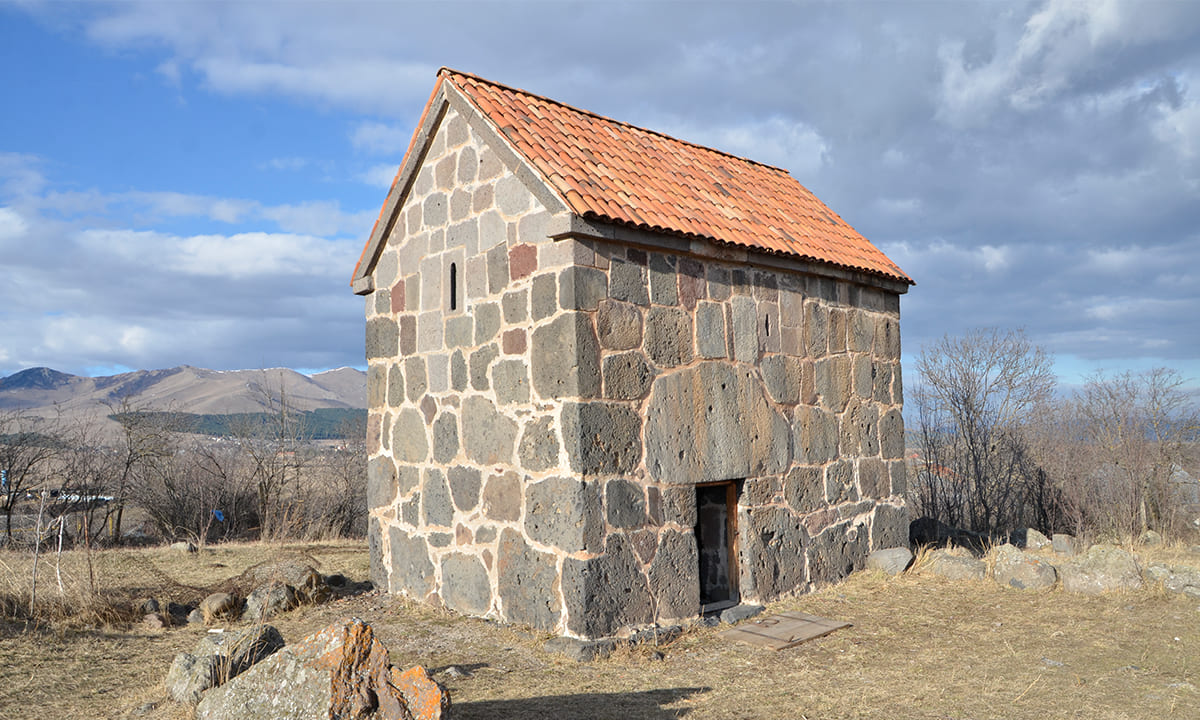
Kvemo Orozmani Church
Dating to the 9th–10th centuries, this single-nave church stands on a one-step plinth. Constructed from basalt stones of various sizes using lime mortar, the building features a southern entrance. The exterior is framed with an architrave, while the interior has a vaulted design. Narrow, arched windows are carved directly from single stones. Surrounding the church is an extensive cemetery area, adding historical and cultural depth to the site
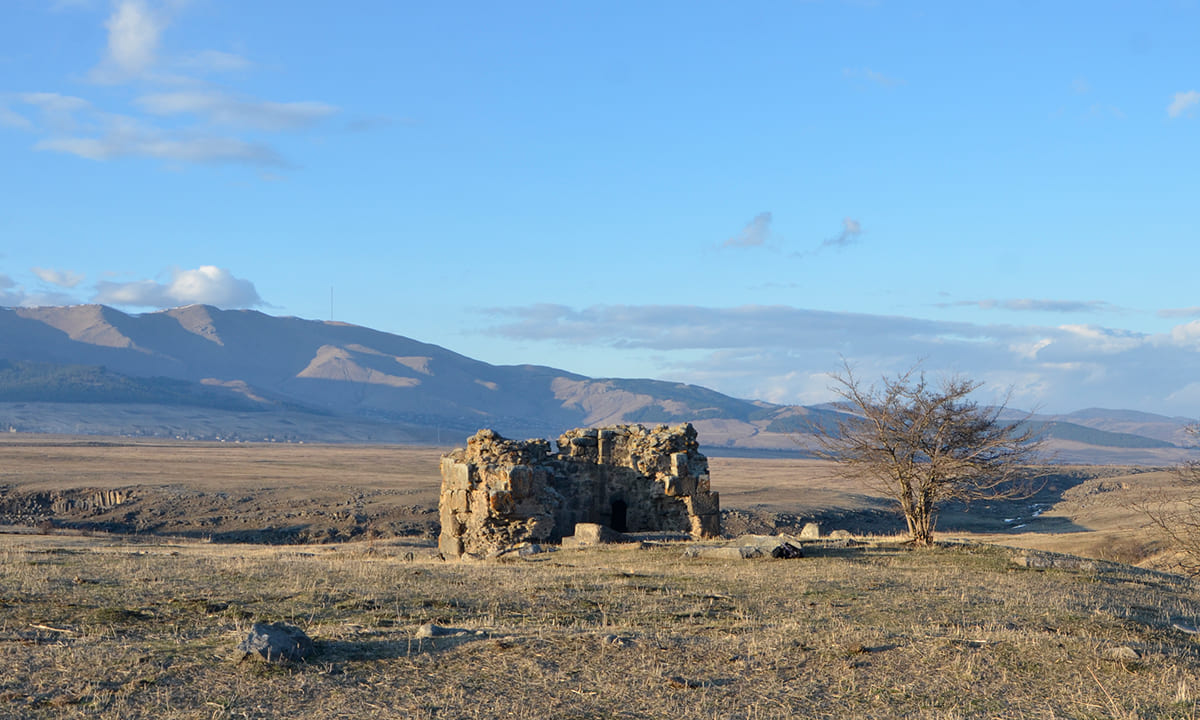
Vake Church and ruined settlement
The Church of the ruined settlement (VIIIX centuries) is a single-nave, elongated building in plan. It was built of large basalt stones, bound by lime mortar. There is a ruined settlement and cemetery around the church.
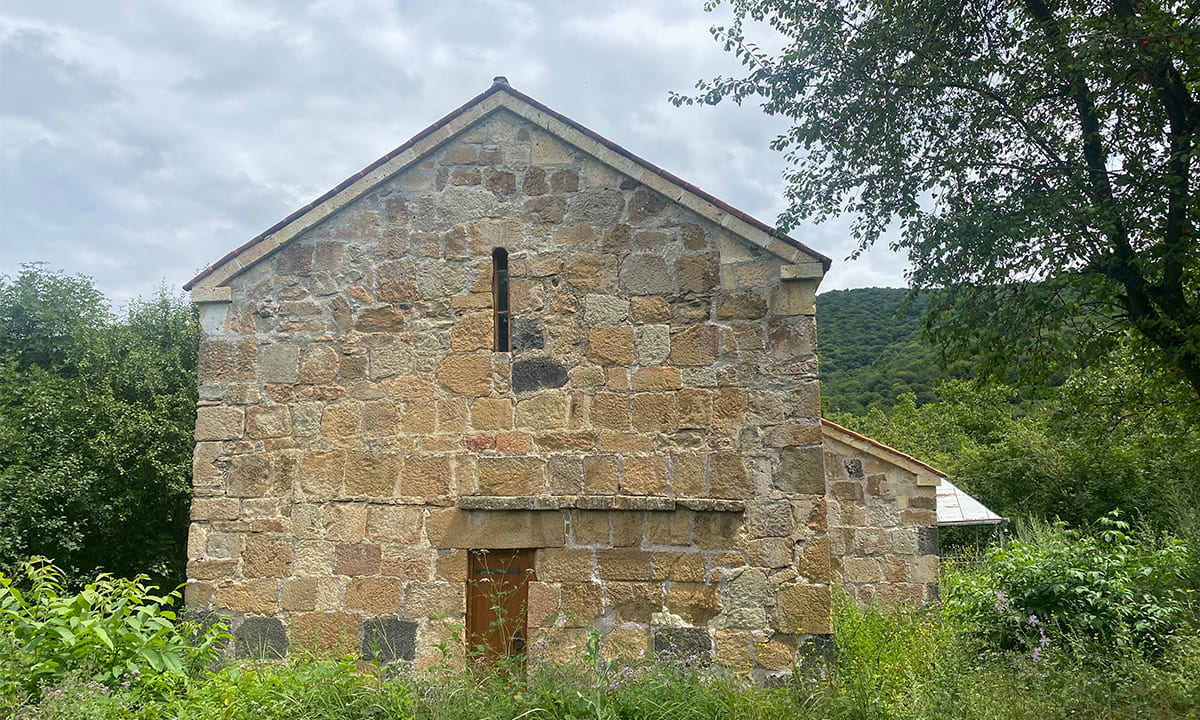
Okariani Church
6th century. This church is one of the most remarkable examples of early Christian architecture. Several inscriptions dating to the 5th–6th centuries originate from this complex.
Shindnari Church
7th Century – The Shindnari Church stands on a raised hill in the village of Shindlari (formerly Shindnanri). The village’s original name, now slightly altered, comes from the shindi (dogwood) trees: Shindnari means “place of shindi trees.” The church walls are built of black and gray basalt stones cut into rectangular blocks, while corners and load-bearing elements are made from larger, finely worked ashlar stones. The building is rectangular in plan and designed as a hall-type church. The eastern wall of the interior features a semi-circular apse, and an annex (eguteri) runs along the entire southern side of the main nave. The main nave is covered with a cylindrical vault, with its cornice defined by low, finely cut stones. Light enters through a single lintelled doorway on the south and windows in the east, north, and west walls. The southern annex mirrors the main nave, with a cylindrical vault and a single-pitched roof, receiving light only through a southern doorway divided by a column with two arches.
HIGHMEDIEVAL CHURCHES (11th-13th CENTURIES)
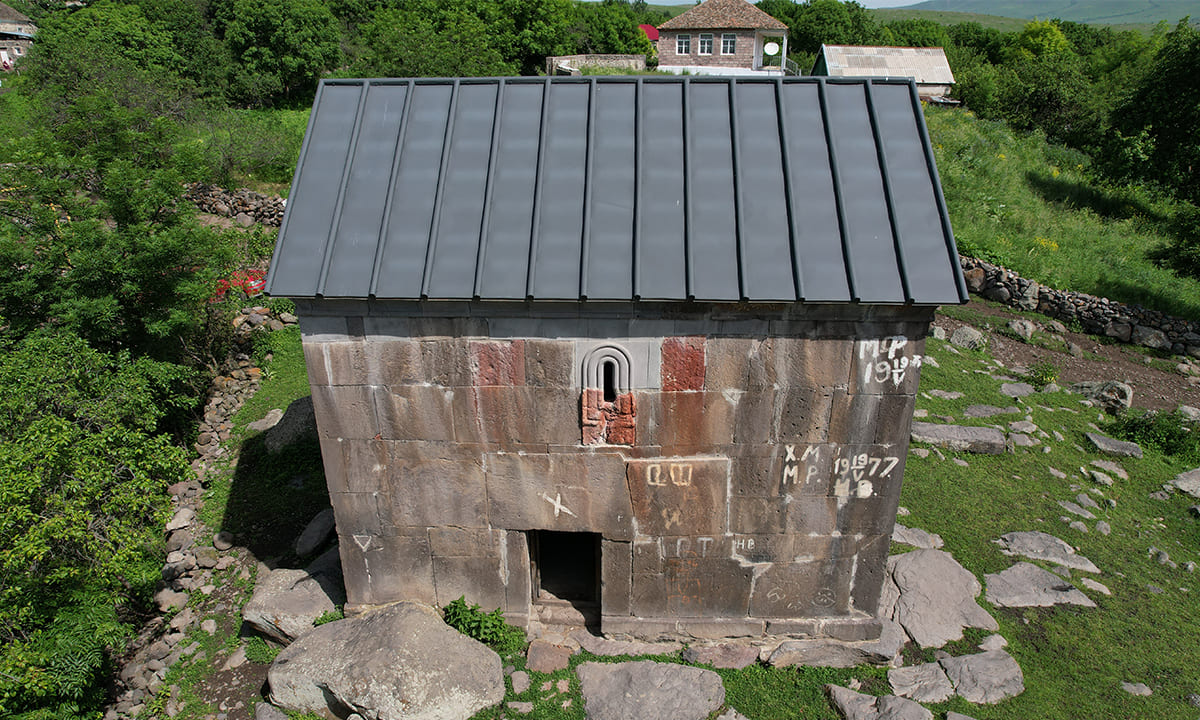
Zemo Orozmani Church
12th–13th centuries a small single-nave church with an old cemetery around it. One of the tombstones bears the epitaph of Papuna Gohabashvili (17th-18th centuries).
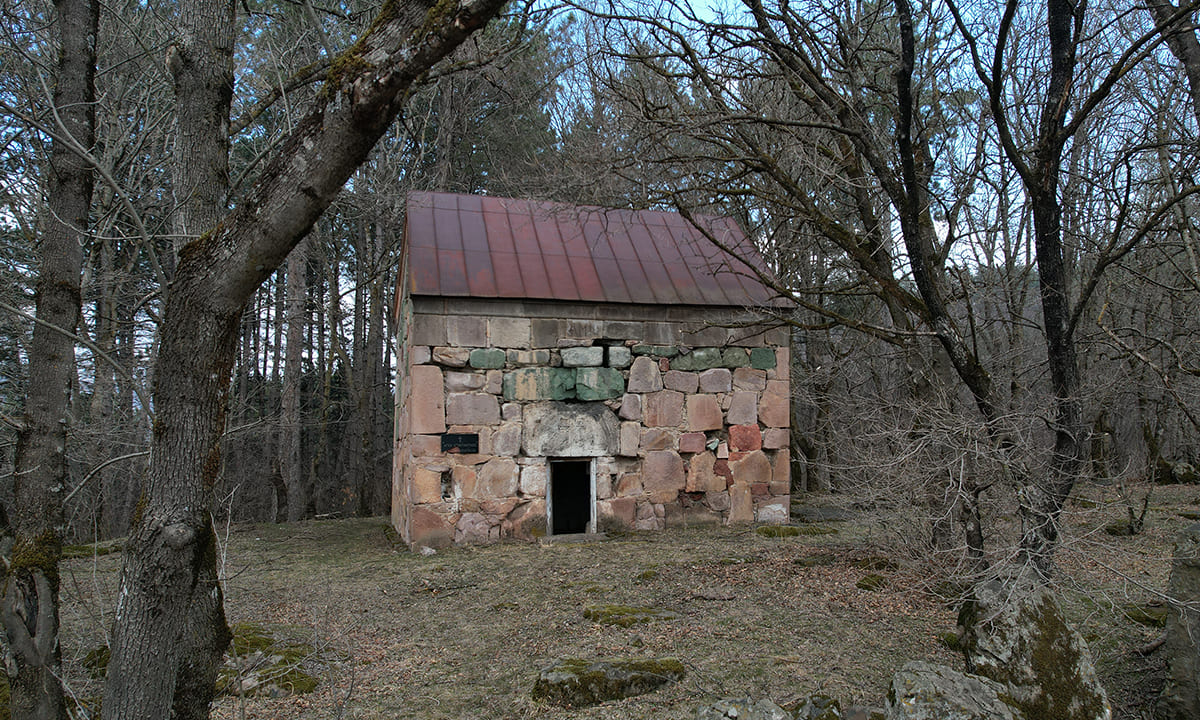
“Church of King Tamar”
12th century. Hall-type single-nave church. Georgian Asomtavruli inscriptions were carved on the stones on the western facade. The construction inscription mentions King Tamar and Eristavi (ruler) Kakha, her mother Kravai, and the builder of the monument, Beghela’s son Okropiri. The inscribed stones are now exhibited in the Bolnisi Museum. The church is surrounded by a large settlement and cemetery.
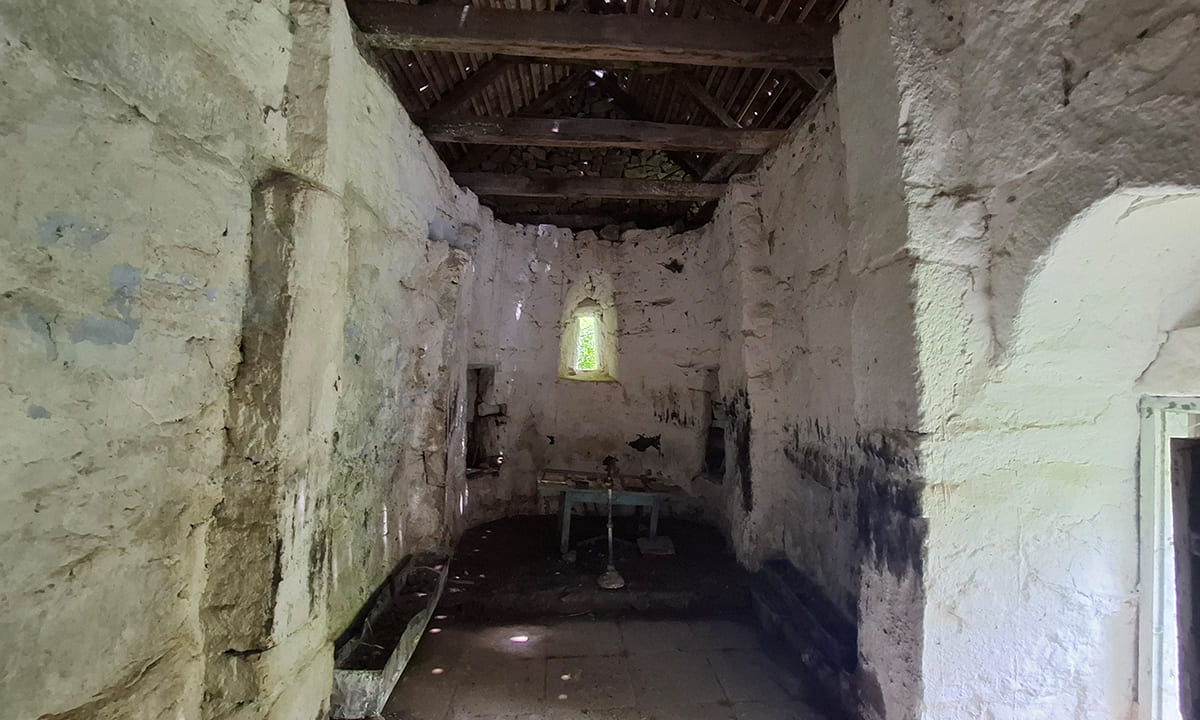
“Apaldelimo” Church
11th–12th centuries. Located south of the village of Sakiri, the church exhibits typical architectural features of the High Middle Ages (11th–13th centuries). It is a single- nave, rectangular-plan building, constructed of worked tuff stones of varying sizes. The interior’s eastern end features a semicircular apse. The entrance is on the southern side, with a lintelled doorway on the exterior and an arched opening on the interior. The stone-built nave of the church is partly damaged. In the 19th–20th centuries, the Greek population restored the church and re-roofed it with wooden beams and tiles.
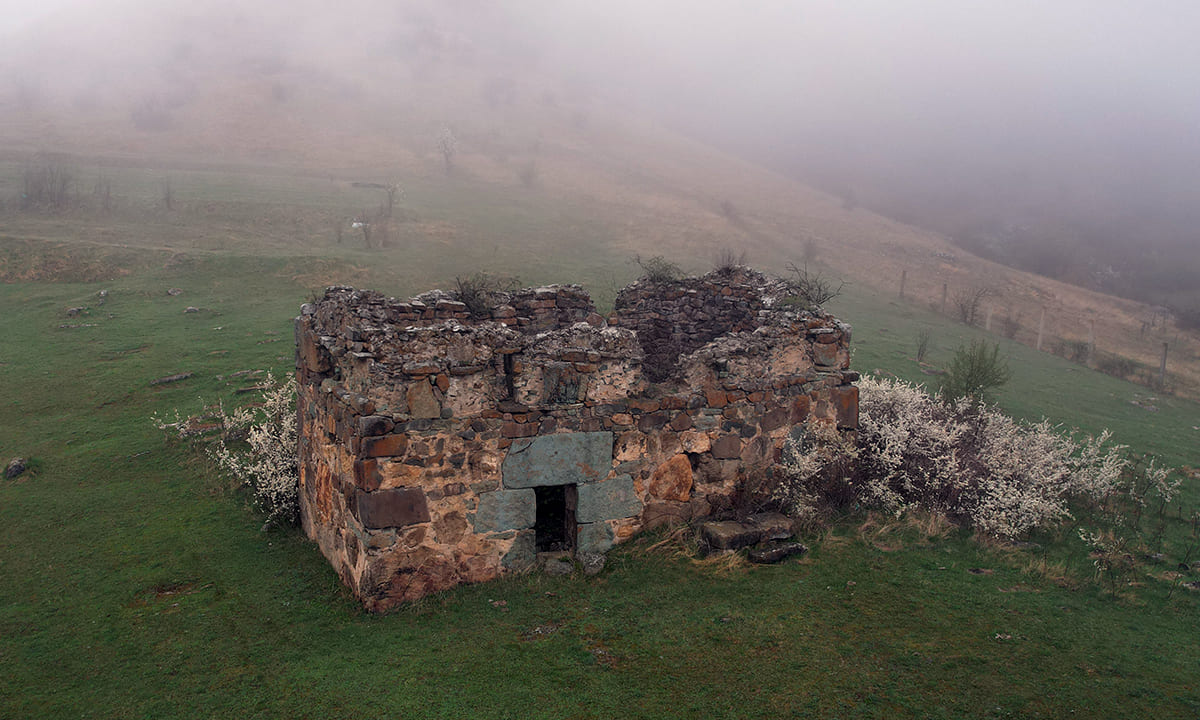
Laklakasheni Church
Located north of historic Laklakashen (Saparlo village). A typical high medieval single- nave, rectangular church made of variously sized dressed tuff stones. The eastern part has a semicircular apse. The south entrance is arched inside and lintelled outside. The church is surrounded by a cemetery and the remains of buildings (likely monastic).
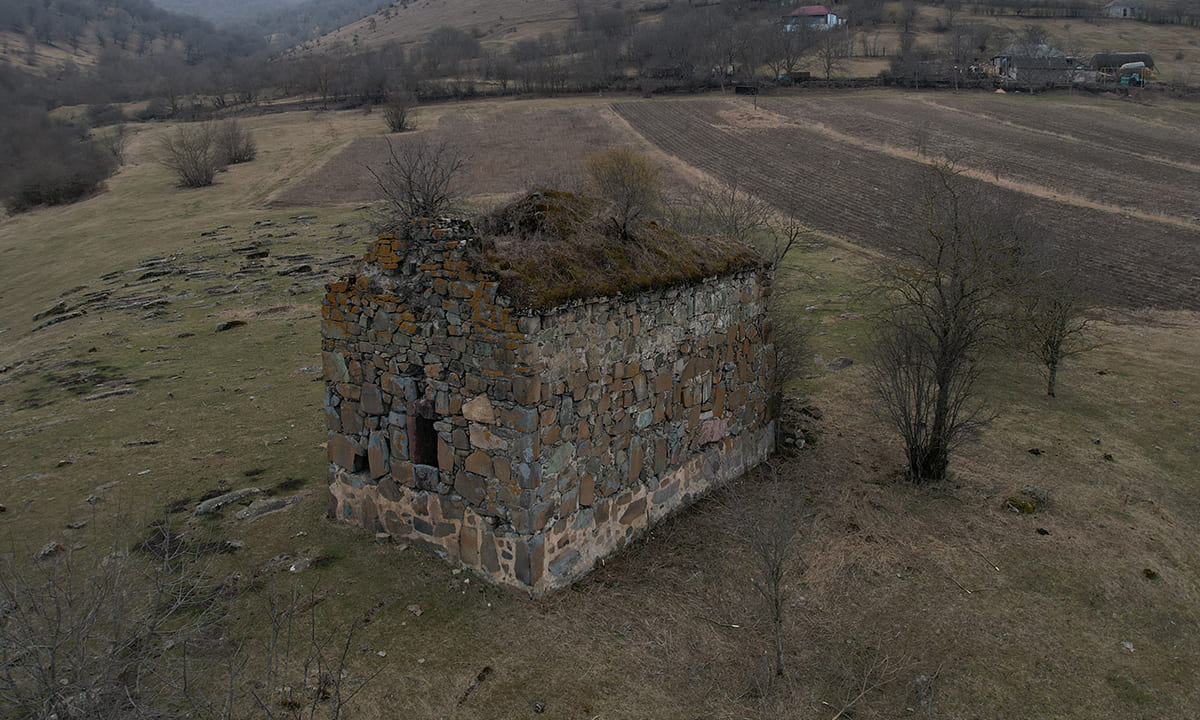
Church of former village of Taguti
11th-12th centuries. Located about 200 meters southeast of the village of Mamishlo (formerly Taguti). The church has a single nave, rectangular in plan. It is built of poorly processed stones of various sizes. A semicircular apse is arranged in the eastern part of the interior. The entrance to the church is in the southern wall. It is arched from the outside and arched from the inside. A large plain, ornamental stone was used as the architrave stone. Of the three windows of the church, one is cut in the eastern wall, the second in the southern and the third in the western wall. A large cemetery is arranged around the church. The cemetery contains tombstones from both the High Middle Ages (11th-13th centuries) and the Late Middle Ages (15th-18th centuries). Rectangular, boulder-type tombstones with relief images of the deceased on the surface; zoomorphic – tombstones with a statue of a ram, etc.
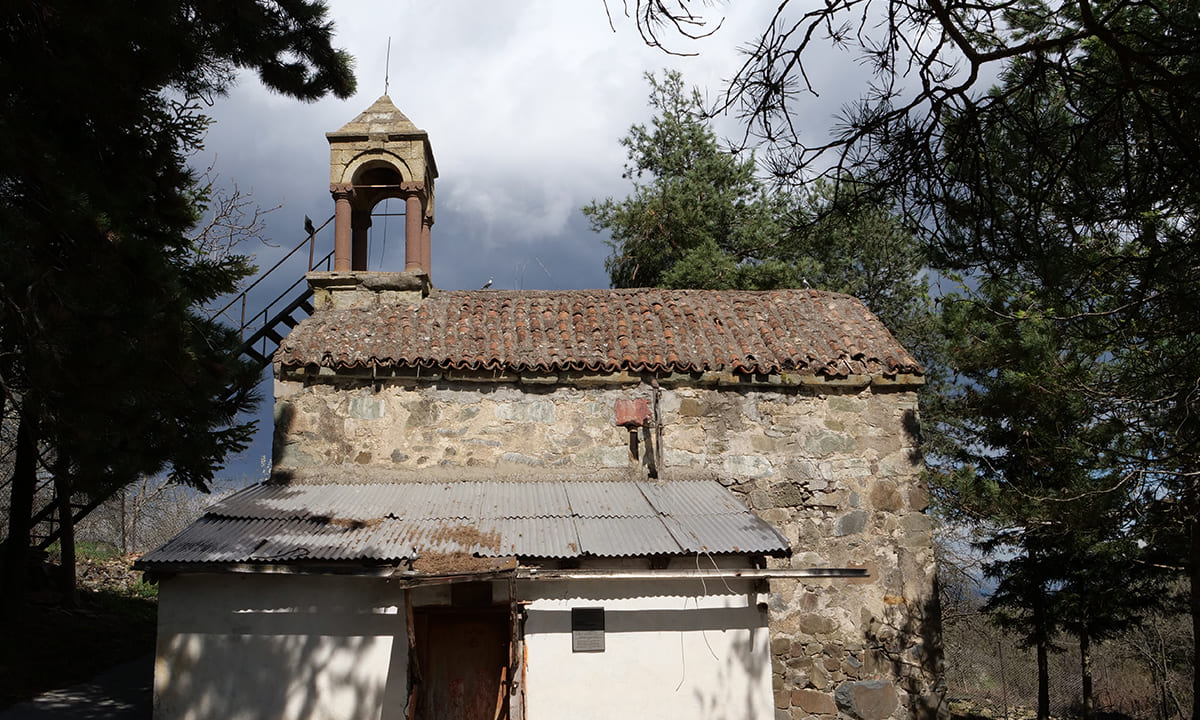
Saint George Church
Village of Gora. It is located in the center of the village. The church is characterized by typical architectural features of the High Middle Ages (11th–13th centuries), although it shows many signs of later alterations. It is a single-nave building with a rectangular plan, built of worked tuff stones of various sizes. In the eastern part of the interior, there is a semicircular apse. The entrance door is on the southern side. The church was restored by the Greek population in the 20th century and has a new annex on the southern side.
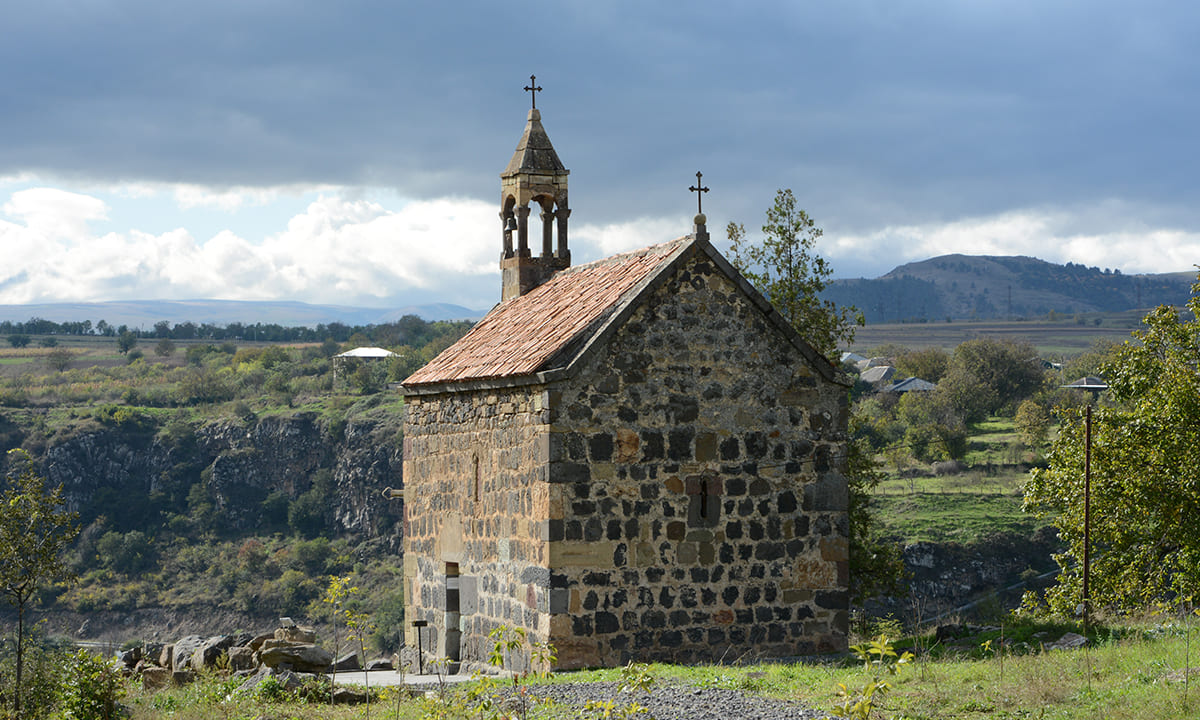
Mashavera’s St. George Church
The monument is located in the village ofMashavera, on the site of the old cemetery, on the right bank of the Mashavera River, an artificially a volcanic plateau. The church stands on an artificially leveled platform with a single-step plinth. It is a small, single-nave building with an elongated rectangular plan, measuring 5.5 × 9.6 meters built of roughly hewn basalt blocks bondedwith lime constructed of roughly hewn basalt blocks bonded with lime mortar. The corners and structural elements of the church are made of neatly cut stones. Thechurch has a single entrance on the southern wall, covered by a large lintel. Three windows are pierced in the eastern, southern, and western walls, with the easternwindow framed with simple moldings. On the western façade, above the two-part roof, there is a wooden bell tower supported by four round columns.
Boslebi’s Trinity Church
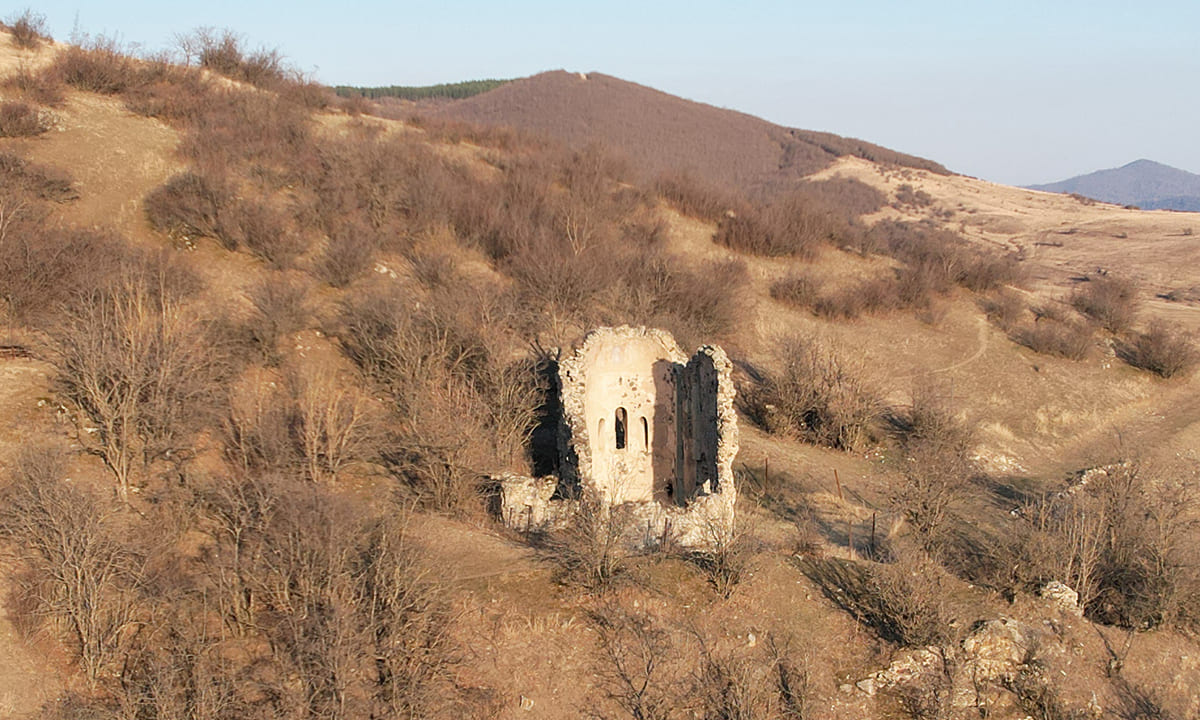
12th–13th centuries. The church is located between the towns of Kakliani and Boslebi, on the slope of a small hill. Although the walls of the church have been largely stripped and are mostly bare, the monument still retains traces of its former grandeur. Some decorative carvings around the windows, fragments of the entrance arches, and ornamental frames of false niches have survived. The carvings are executed with the highest level of craftsmanship. Inside, fragments of frescoes remain, with refined and clear silhouettes, indicating the high skill of the builders.
Sakdriskedi Church
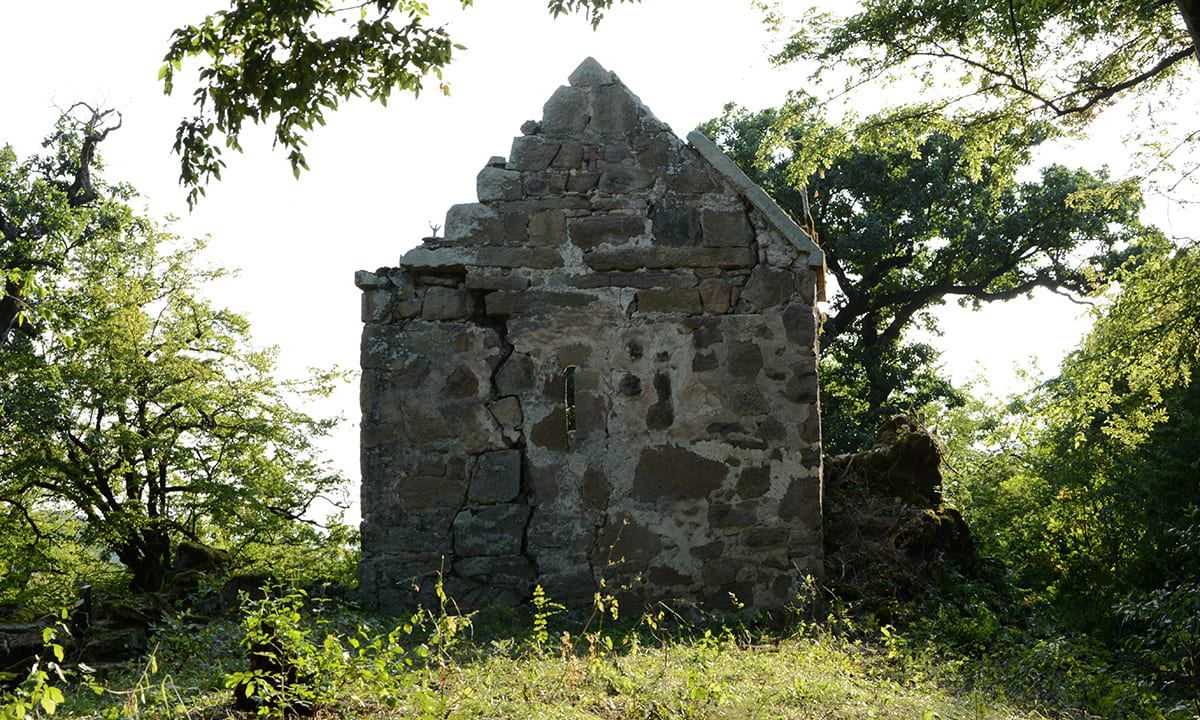
Built at the turn of the 12th–13th centuries, Sakdriskedi Church is a single-nave hall-type building located on the outskirts of the medieval city of Dmanisi, directly associated with the city’s ruling elite. Archaeological excavations at the site have revealed inscriptions that provide invaluable information about the economic status and ethno-confessional composition of the city’s upper class, as well as insights into its governance.
During this period, Dmanisi was one of the most important cities in Georgia, situated at the crossroads of major trade routes in the South Caucasus and renowned for its urban craftsmanship and commerce. The church measures 5.85 by 3.25 meters, with only the eastern wall surviving to its original height. Among the ruins, the tuff stone iconostasis adorned with exquisite carvings is particularly noteworthy. Its structure, constituent segments, and ornamental motifs closely resemble other well-known Georgian iconostases of the 12th–13th centuries, such as those at Satkhi and Gudarekhi.
The Sakdriskedi iconostasis is currently exhibited in the medieval section of the Bolnisi Museum, where its reconstruction, together with the inscribed stele that originally stood in front of it and the altar, occupies a central place in the permanent exhibition. The inscriptions discovered at the church are of exceptional importance. Among several epigraphic monuments, the most significant is the inscription of Job, son of Mikhrik, Amir of Dmanisi, dated to 1210–1223.
Ormasheni Church
The Ormasheni Church is a single-nave structure built of finely cut gray stone (5.5×10.5 m), the interior hall of which was originally divided into three parts by two pairs of pilasters. The capitals of the pilasters are profiled and decorated with circular rosettes. From the first stage of the pilasters, decorative arches extend into the plane of the wall. The vault covering the church has completely collapsed; however, the springing stones (quadrants) of the western and the adjacent arches have been preserved. The church had its entrance door on the southern side. The outward facing stones of the façades have mostly been 20 DMANISI * travel taste experience plundered. The decorative framing of the western window has survived; on the same window frame there was an eight-line commemorative inscription (the inscribed stone is kept at the Giorgi Chubinashvili National Research Center for Georgian Art History and Heritage Preservation). The content of the inscription, executed in Georgian Asomtavruli script, is as follows: “May God exalt Khachich, Eristavi of the Eristavs (Feudal lord; Army Commander; Archduke). He built this holy church for commemoration and for the prayer of himself and his parents. Amen.”
According to palaeographic data, it is dated to the 12th century. The same period is assigned to a two-line commemorative inscribed slab on the western façade of the church, which today lies in the interior of thetemple: “O Christ, have mercy upon Khachich, son of Sharai.”
“Nikolo’s and Ivane’s Church”
The church is located in the centre of the village of Bakhchalari (former Khasalajvari). It survives in an extremely ruined condition. This hall-type temple terminates to the east in a rounded apse. The church had its entrance on the southern side. The façades of the building were constructed of finely dressed stone, and its interior was likewise faced with the same well-cut facing stones. The vault of the church was reinforced by a single transverse arch, which rested on a pair of pilasters descending along the walls. The interior was richly decorated with relief ornamentation; the capitals of the pilasters and the corners of the springing of the conch were decoratively articulated. The façades of the chapel were also artistically treated. A carved cornice runs along the upper perimeter of the walls. On the threshold stone of the doorway, a cross enclosed in a circle is specially carved, around which a four-line inscription of historical content is engraved (today the stone is broken into two parts): “O Christ, have mercy upon Nicholas and Ivane. By the will of God, this threshold was laid in the year of the chronicon by the hand of the sinner Michael.” According to the date (chronicon) cited in the inscription, the church was built in 1018, under the patronage of Nicholas and Ivane, by Michael.
LATE MEDIEVAL CHURCHES (15th-18th CENTURIES)
“Dziri Church”
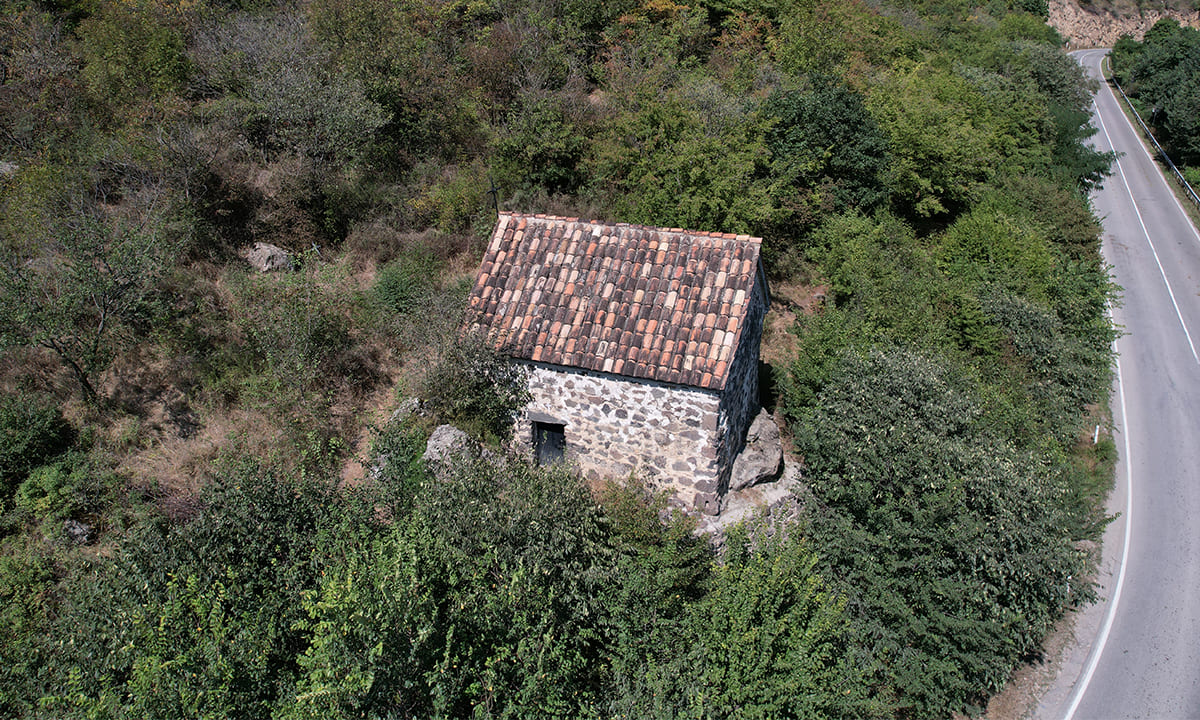
16th–18th centuries. A hall-type church standing by the roadside, slightly elongated with a rectangular plan. The entrance is on the southern side. From the outside, the doorway is lintelled, while inside it is arched. Within the interior, the eastern wall contains a recessed apsidal niche of asymmetrical shape.
In the center of the apse is an arched window, with niches on both sides. The church is built of roughly worked basalt and sandstone blocks of various sizes, bonded with lime mortar. In recent years, the “Zgiris Church” underwent thorough restoration, during which it was also re-roofed with tiles.
Shorshileti Church
The hall-type church of Shorshileti (7.7×4.9 m) stands on the high right bank of the Khrami River, on the slope of a mountain within the old cemetery of the medieval abandoned settlement of Shorshileti/Shoshileti, and is dated to the Late Middle Ages (15th–18th centuries). The church’s vault has collapsed and the structure is damaged. On the southern side, at a distance of eight metres, a supporting (retaining) wall has been constructed. The walls of the chapel are built of whitish limestone blocks of various shapes and sizes and are finished with a rectangular cornice.
In the semi-circular apse of the sanctuary, two-tiered niches are arranged on both sides of the window. The longitudinal walls of the nave are articulated by two-stepped pilasters. From the first stage of the pilasters, wall arches are carried eastwards and westwards. The arches of the longitudinal walls and the western wall rest on corner pilasters. The church has an architraved doorway located at the centre of the southern wall. The interior space was illuminated by one arched window pierced in each wall (except the northern wall).
The village of Shorshileti and the church located here, as one of the road stations, lay at the crossroads of the routes leading from the Khrami River valley toward the valleys of Zurtaketi (Shavtskarotskali/ Karabulakhi) and Mashavera. It is marked on the map of the 18th-century geographer Vakhushti Bagrationi.
MODERN CHURCHES (19th-20th CENTURIES)
Sakire St. George Church
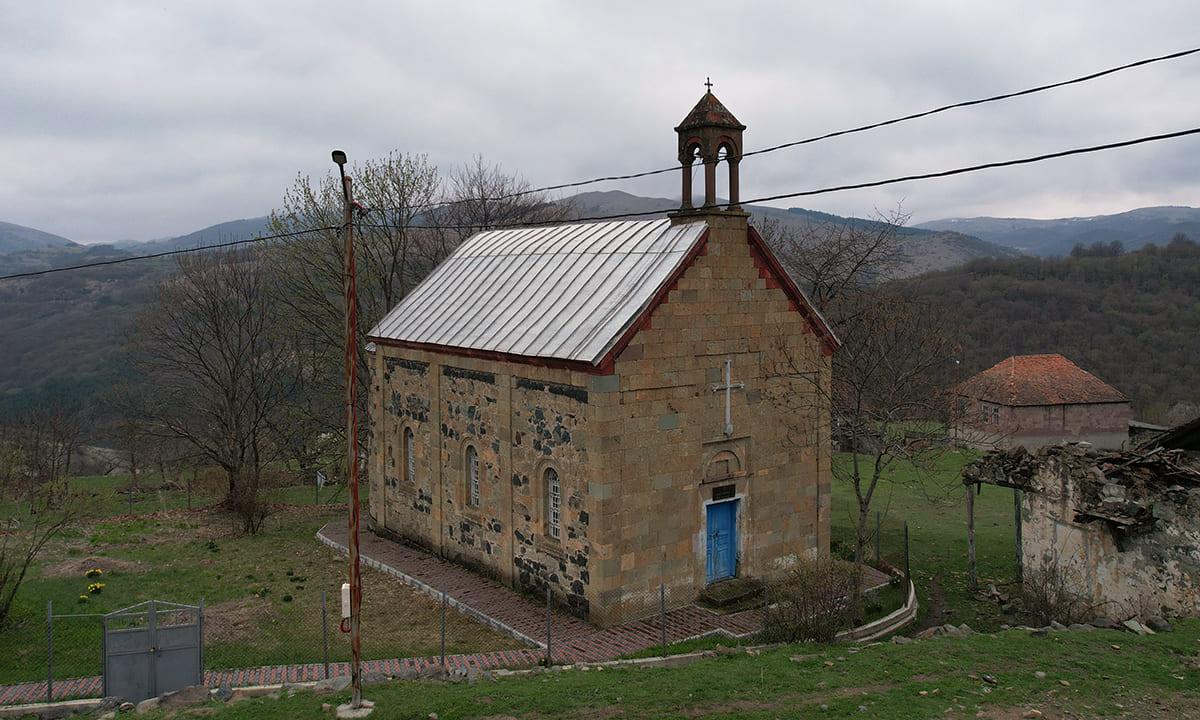
19th century. A single-nave church with a projecting apse stands in the center of the village. It is built of tuff and basalt stones. The entrance door is on the western side, where a bell tower is also set on the roof.
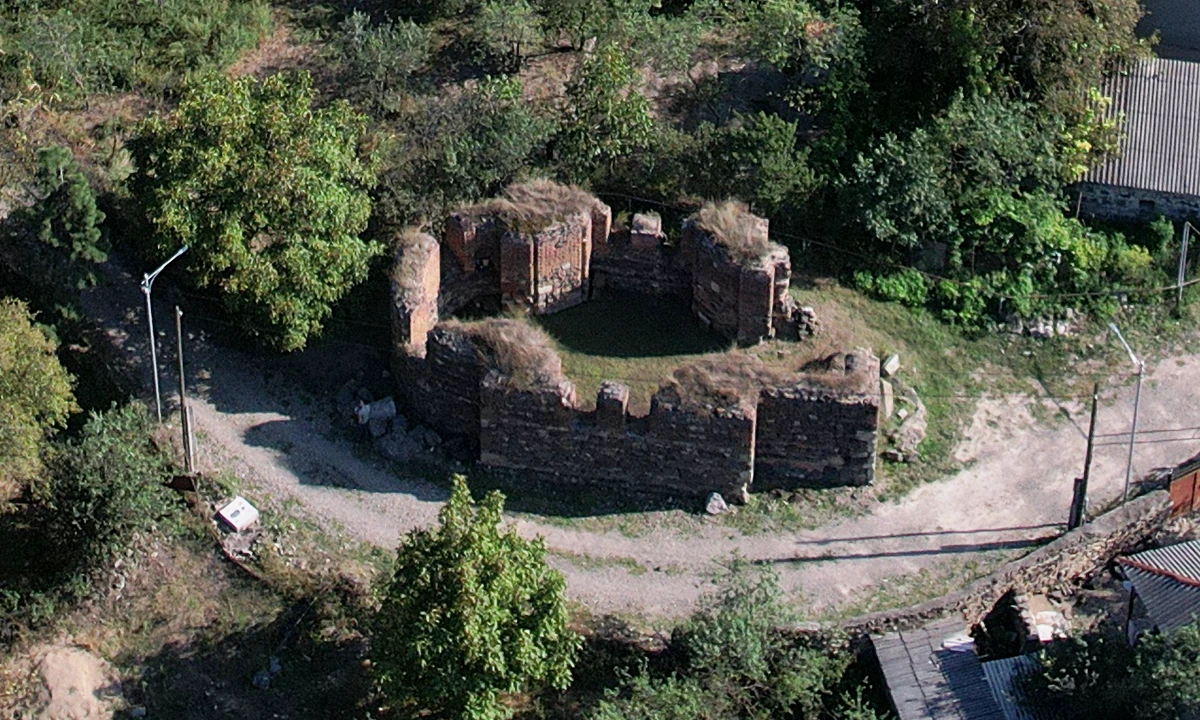
“Church of Saint Mary of Didi Dmanisi”
The building, dated to the 19th century, was likely constructed on the foundations of an older church. The church stands out among other monuments of Lower Kartli for its distinctive architectural and spatial composition. The plan of the church with a projecting apse is fairly complex, and the outer contour, symmetrical along the longitudinal axis with short arms to the south and north, schematically emphasizes an elongated equal-armed cross. The entrance is on the western side.
The exterior contour of the building clearly reflects the interior layout. The primary construction material is Georgian brick. Alongside the bricks, turquoise-colored stones from the older church are incorporated into the walls. Inside, alongside dressed square stones, there are ornamental details and square stones with lapidary inscriptions embedded in the masonry. These inscribed stones are found in the northwest and southwest towers.
In the church’s sanctuary, a fragment of the iconostasis with Georgian Asomtavruli inscriptions is visible, as well as other stele fragments, likely brought from outside by the local population, depicting the cross, the Virgin Mary, and Christ, presumably grave markers—some of them featuring crosses, and one with a relief Arabic inscription.
Monastic complexes
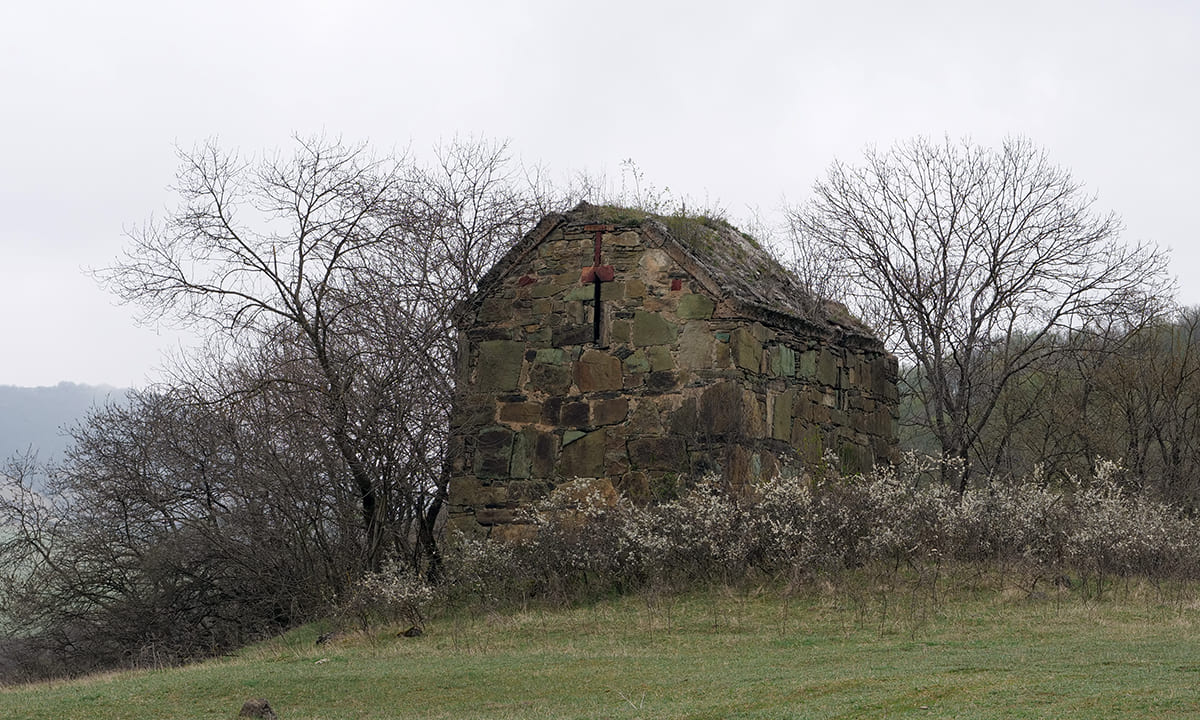
Ruins of Taguti monastery
11th-12th centuries. The monument is located approximately 1 km east of the village of Mamishlo (formerly Taguti). The church is single-nave, rectangular in plan. It is built of variously sized processed colored tuff stones. A semicircular apse is arranged in the eastern part of the interior. The entrance to the church is from the south. The door is architrave from the outside, and arched from the inside. It has three small windows, one to the East, one to the South, and one to the West. Around the church there are remains of a cemetery and buildings (presumably a monastery).
Historic cemeteries and burial sites
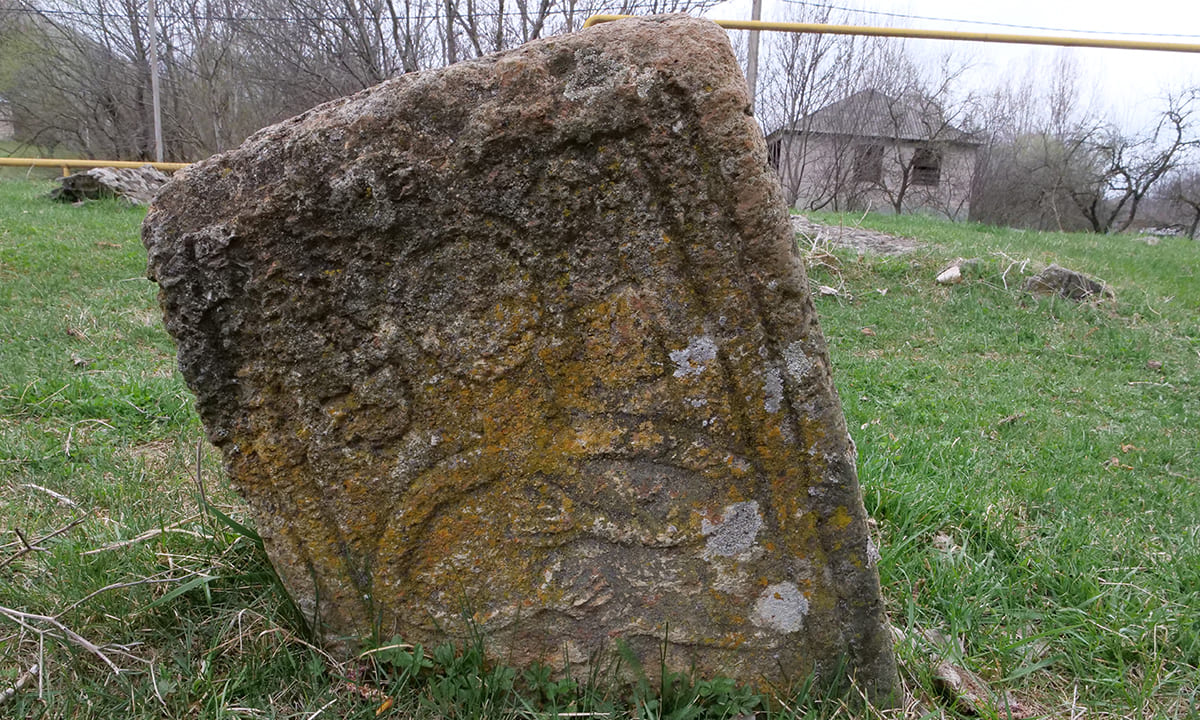
Vardzagara Old Cemetery and Church.
11th-12th cc. – a medieval cemetery located in the village of Amamlo. Until the 19th century, the village of Amamlo was called Vardzagara. The remains of a small single- nave church (IX century) have survived in the cemetery. Tombstones of various periods and shapes (9th-18th centuries) are scattered around the church. There was also a 2-meter-high cross (8th-9th centuries) on the base of which a three-line Georgian Asomtavruli inscription (13th century) was carved. Currently, only the damaged base has survived, the inscriptions have been destroyed.
Scenic viewpoints and routes around Dmanisi
St. Luke the Evangelist Church – Lukuni Mountain
From this commanding location on the Lukuni Range, you can enjoy serene views of Dmanisi, spread out like in a panorama. On one side, you’ll see the upper course of the Mashavera River and the volcanic plateau of Dmanisi; on the other side, you can admire the Shavtskarostskali river, a tributary of the Khrami River, as well as the volcanic plateau of Gomareti/Zurtaketi and the Khrami Gorge. From the peak of Lukuni, the horizon is framed by beautiful mountains rising from the plains and lowlands: to the south, the Lokhi Range; to the west, the Javakheti Mountains; to the north, the Kviriketi Range; and to the east, the scenic Khrami and Mashavera valleys. Next to the church, there’s a picnic area with swings. Just a kilometer from here stands an impressively tall, old TV tower. With its cyberpunk aesthetic, it stands out starkly against the natural ruggedness. The single-nave church on Lukuni Mountain is a small structure measuring 5.5×3.58 metres. The southern entrance doorway of the church is architraved on the exterior and arched on the interior. A large stone was used as the architrave, on which an inscription in Georgian Asomtavruli script is carved. The church was built at the most dominant point of the Dmanisi region − at an elevation of 1,900 metres above sea level − and is the highest- altitude church in this area. According to the 18th-century geographer Vakhushti Bagrationi, the mountain was called “Lukuni” precisely because of the church dedicated to St. Luke the Evangelist. However, the Georgian Asomtavruli inscription on the church’s door architrave, dated to the 12th-13th centuries, shows that the mountain already bore the name “Lukuni” before the church was built here, and that this church − originally built in the name of St. George − together with the nearby northern villages of Ormasheni and Saja (Sach’e), belonged to the Catholicosate Church of Mtskheta.
Dmanisi Tourist Information Center (a department of the Dmanisi Culture and Arts Center)
Address: 56 St. Nino Street, Dmanisi (Postal Code 1700), Dmanisi Municipality, Kvemo Kartli, Georgia
Mobile: (+995 558) 44 50 33
Email: dmanisitourism@gmail.com
Alternative email: Dmanisikultura@gmail.com
(Dmanisi Culture and Arts Center)
Facebook: Dmanisi Tourist Information Center
www.facebook.com/dmanisitourism
Opening hours:
October–March: 10:00–18:00 (daily)
April–September: 9:00–18:00 (daily)
(Opening hours may change depending on special events
and government regulations.)